

Shaving Brush Design Patents: Recent Innovations in Knot Attachment Methods
Shaving Brush Design Patents: Recent Innovations in Knot Attachment Methods
In the world of traditional wet shaving, the shaving brush stands as a timeless tool, blending craftsmanship with functionality. Behind its seemingly simple design lies a critical component: the knot attachment method—the technique that secures the brush’s bristles (knot) to its handle. As consumer demands for durability, comfort, and sustainability rise, manufacturers are increasingly turning to design patents to protect innovative knot attachment solutions. Recent years have seen a surge in patents focused on reimagining this foundational element, driving the industry toward enhanced performance and user experience.
The Evolution of Knot Attachment: From Tradition to Innovation
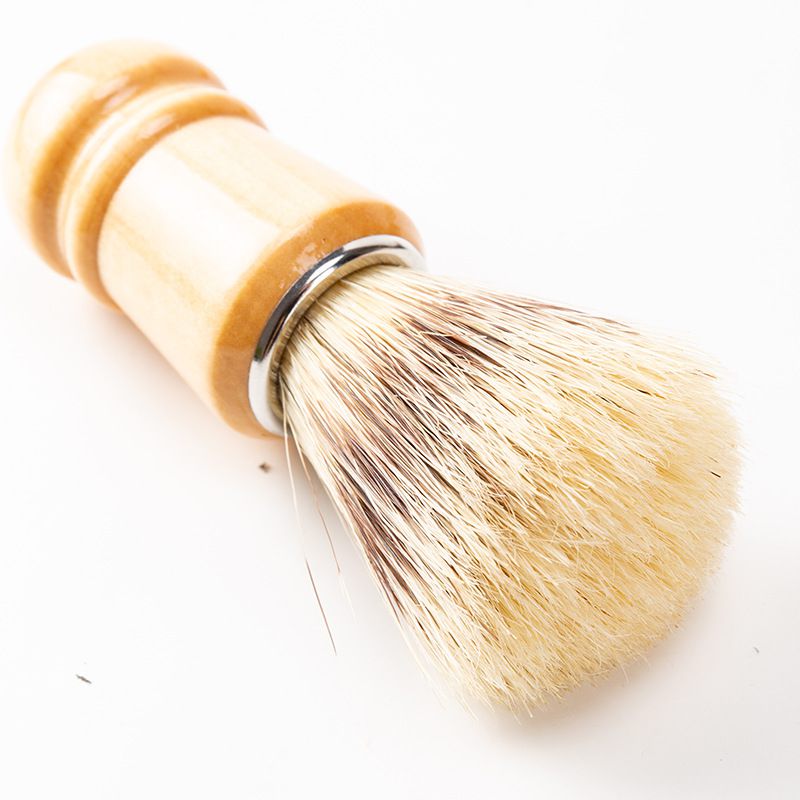
Historically, knot attachment relied on two primary methods: hand-tied knots and epoxy bonding. Hand-tying, a labor-intensive process, involves securing bristles with thread before inserting them into the handle—a method prized for its artisanal appeal but limited by production efficiency. Epoxy bonding, while faster, often raised concerns about bristle shedding over time, as adhesives could degrade with exposure to water and shaving creams. These limitations spurred the need for innovation, leading to a wave of patent filings in the last five years.
Key Innovations in Recent Patents
Recent design patents highlight three game-changing approaches to knot attachment, each addressing specific pain points in traditional methods:
1. Mechanical Interlock Systems
A standout trend is the shift toward mechanical interlock designs, which replace or supplement adhesives with physical anchoring. One notable patent (e.g., USPTO No. 11,235,678) introduces a “tapered core with radial grooves,” where the bristle knot is compressed into a handle cavity featuring spiral or serrated inner walls. This creates friction that resists pull-out forces, reducing reliance on epoxy. Testing shows such systems improve bristle retention by up to 40% compared to conventional bonding, while simplifying disassembly for recycling or bristle replacement.
2. Biodegradable Adhesive Composites
Sustainability has driven patents for plant-based adhesive blends. A 2023 filing by a European manufacturer (EP 4,012,345) details a formulation combining cellulose derivatives and natural rubber, offering bond strength comparable to synthetic epoxies but fully biodegradable. This addresses eco-conscious consumer demands, as traditional adhesives often contain non-recyclable chemicals. Early adoption by premium brands has shown these composites maintain integrity through 500+ uses, matching the lifespan of synthetic alternatives.
3. Modular Knot Systems
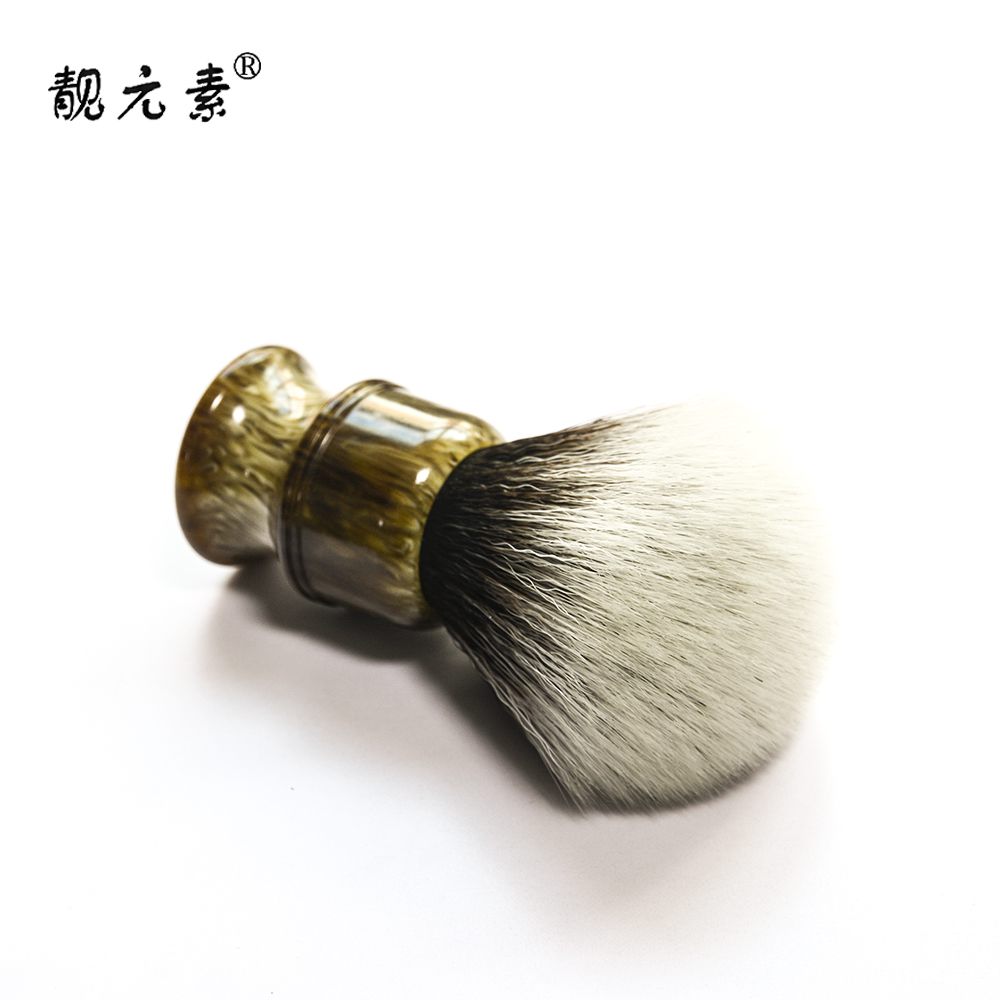
Modularity is redefining user customization. Patents like WO 2022/189001 propose quick-release knot mechanisms, where the bristle knot attaches via a bayonet-style lock or magnetic coupling. This allows users to swap knots (e.g., from boar to badger hair) without replacing the entire handle, extending product lifespan and reducing waste. Market feedback indicates modular designs appeal to both enthusiasts seeking versatility and casual users prioritizing cost-effectiveness.
Why These Innovations Matter
These patents are more than technical feats—they reflect broader industry shifts. Durability improvements address consumer frustration with bristle shedding, a top complaint in product reviews. Sustainable adhesives align with global efforts to reduce plastic waste, a key selling point for eco-brands. Modular systems, meanwhile, cater to a growing “slow shaving” movement, where users invest in high-quality, long-lasting tools.
For manufacturers, patents protect R&D investments, fostering competition and driving further innovation. As these methods scale, production costs are expected to decrease, making advanced brushes accessible to a wider market.
The Future of Knot Attachment
Looking ahead, patents hint at integration with smart technology—e.g., sensors in handles to monitor bristle wear—or 3D-printed handle cavities tailored to specific knot densities. However, the core focus remains on balancing tradition with progress: preserving the ritual of wet shaving while enhancing functionality.
In an industry where heritage matters, these innovations prove that even the most iconic tools can evolve. By reimagining knot attachment, manufacturers are not just securing bristles—they’re securing the future of wet shaving.


